Lower back pain that spreads along one or both legs is an extremely common problem that affects many people. The feeling of dull pain, sharp stabbing, tingling, numbness or weakness can significantly affect the quality of life, interfering with daily activities. At Runway Massage Studio we understand how debilitating this condition can be and we want to explain to you what causes it and how professional massagecan be a key part of therapy for relief and recovery.
What is Pain in the Lower Back and Along the Leg?
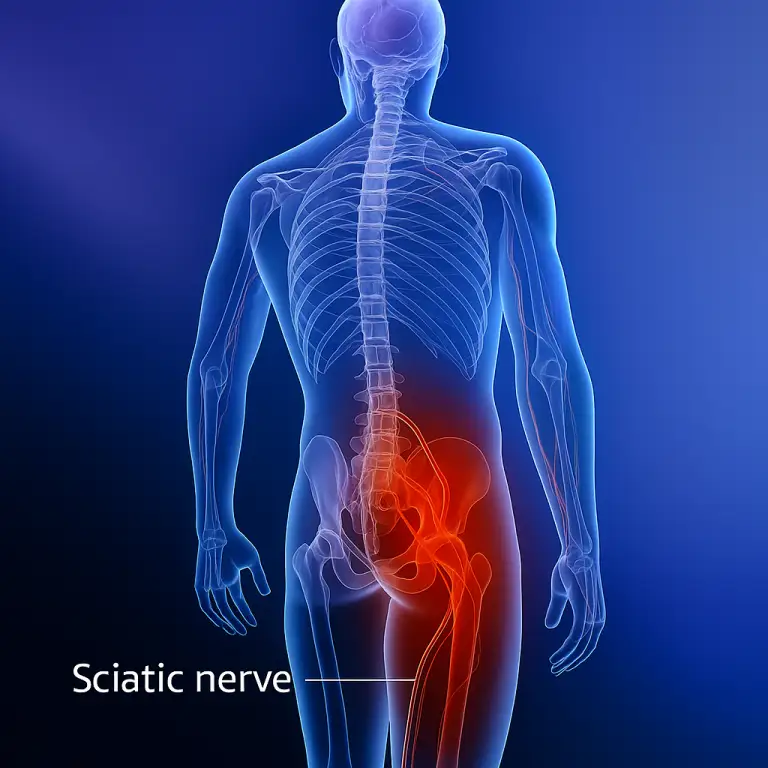
This specific pain most often indicates a problem with sciatic nerve, the largest nerve in the body that extends from the lower back, through the pelvis and hips, to the feet. The condition is medically called sciatica.
The causes of sciatica can be varied, the most common being:
- Herniated disc (disc herniation):This is the most common cause. The inner, gelatinous part of the intervertebral disc slips and presses on the sciatic nerve root, causing pain.
- Spinal stenosis:Narrowing of the spinal canal, which puts pressure on the nerves.
- Piriformis syndrome:The piriformis muscle is located deep in the buttocks, and the sciatic nerve runs directly through or next to it. Spasm or shortening of this muscle can irritate the nerve, causing pain that spreads down the leg. This is often caused by prolonged sitting or excessive physical activity.
- Spondylolisthesis:The sliding of one vertebra over the other, which can squeeze the nerves.
- Arthritis:Inflammation of the joints of the spine can lead to pressure on the nerves.
- Incorrect posture and prolonged sitting:These factors lead to an excessive load on the muscles of the lower back, pelvis and glutes, which creates tension and pressure on the sciatic nerve.
Regardless of the cause, symptoms can range from mild discomfort to sharp, stabbing pain that makes it difficult to sit, stand, walk, or bend over.
Is Massage Good for Lower Back and Leg Pain?
Yes, massage can be extremely effective in treating sciatica and lower back pain, but it is essential to carry it out expert therapist. Massage does not directly resolve disc herniation or spinal stenosis, but it can drastically alleviate symptoms and improve quality of life by acting on the muscles surrounding the spine and nerve.
How does massage help?
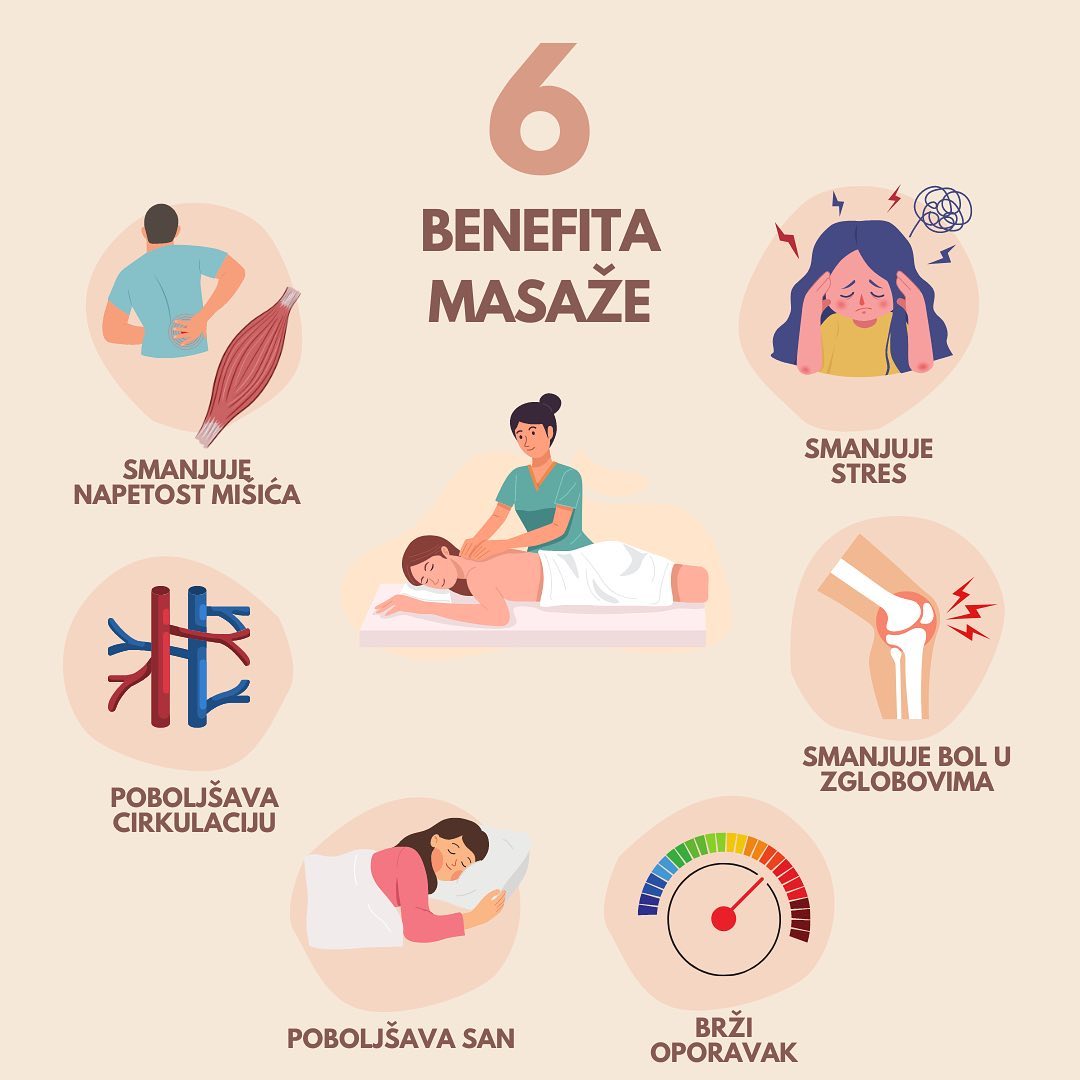
- It relaxes the muscles that press on the nerve:In the case of piriformis syndrome, a targeted massage of this muscle and the gluteus muscle can reduce spasm and tension, relieving pressure on the sciatic nerve. This leads to immediate and long-lasting relief of pain down the leg.
- Reduces muscle tension in the lower back:Back pain often creates a vicious circle: the pain causes the muscles to spasm, and these spasms intensify the pain. Massage breaks this cycle by relaxing the muscles, thereby relieving tension and reducing pressure on the spine.
- Improves circulation:Massage increases blood and lymph flow in the treated areas. Better circulation brings oxygen and nutrients to the muscles while removing metabolic waste products and reducing inflammation. This speeds up the process of muscle and tissue recovery.
- Reduces stress:Chronic pain and discomfort are a great source of stress. Massage calms the nervous system and stimulates the secretion of endorphins, natural analgesics in the body. Relaxing the mind and body can significantly reduce the perception of pain and improve overall mood.
- Increases mobility:By relieving tension and cramps in the muscles of the lower back and legs, massage helps restore flexibility and range of motion.
How to Treat Pain in the Lower Back and Along the Leg in Runway Massage Studio?
Our approach to treating this condition is holistic and personalized. Before starting treatment, our therapist will perform Consultationsto understand your symptoms, pain intensity and potential causes.
Recommended massage techniques:
- Therapeutic massage:This massage focuses on the deeper layers of muscle and connective tissue, with the application of pressure Stronger intensity. The therapist will work on the muscles of the lower back, gluteus and piriformis in a targeted manner, using techniques such as deep tissueand massage trigger points, in order to break muscle adhesions and relieve pressure on the nerve.
- Classic massage:Depending on your condition and sensitivity, massage can be performed with mild or medium intensity. Classical massage uses long, relaxing movements to reduce general tension in the body, which is also important for relieving stress and preparing muscles for further work.
- Partial massage:In cases of sciatica, partial massage of the lower back and legscan be extremely effective because it focuses solely on areas that are affected by pain and tension, providing targeted relief.
Important Notes and Tips
- Consultation with a doctor is mandatory:Before deciding on a massage, it is imperative to consult a doctor. The doctor will determine the exact cause of your pain and recommend whether the massage is safe and suitable for your condition.
- Regularity is the key:For long-lasting results, one massage is usually not enough. We recommend a series of treatments, and the therapist will recommend the optimal plan, as well as exercises for stretching and strengthening muscles at home.
- Follow the signals of the body:It is important to communicate with the therapist during the massage about the intensity of the pressure. Mild discomfort is normal, but sharp pain should not be felt.
- Prevention:After relief, work on prevention. Introduce regular breaks at work, maintain proper posture, exercise, and consider regular, monthly massage to prevent symptoms from returning.
Conclusion
Pain in the lower back and along the leg is a condition that can be treated effectively, and massage in Runway Massage Studiocan be your reliable partner on the road to recovery and return of vitality. Don't let pain limit you — take steps towards better health today.






.jpg)
.jpg)
.jpg)

.jpg)
.jpg)
.jpg)


.jpg)
.jpg)
.jpg)

.jpg)


.jpg)