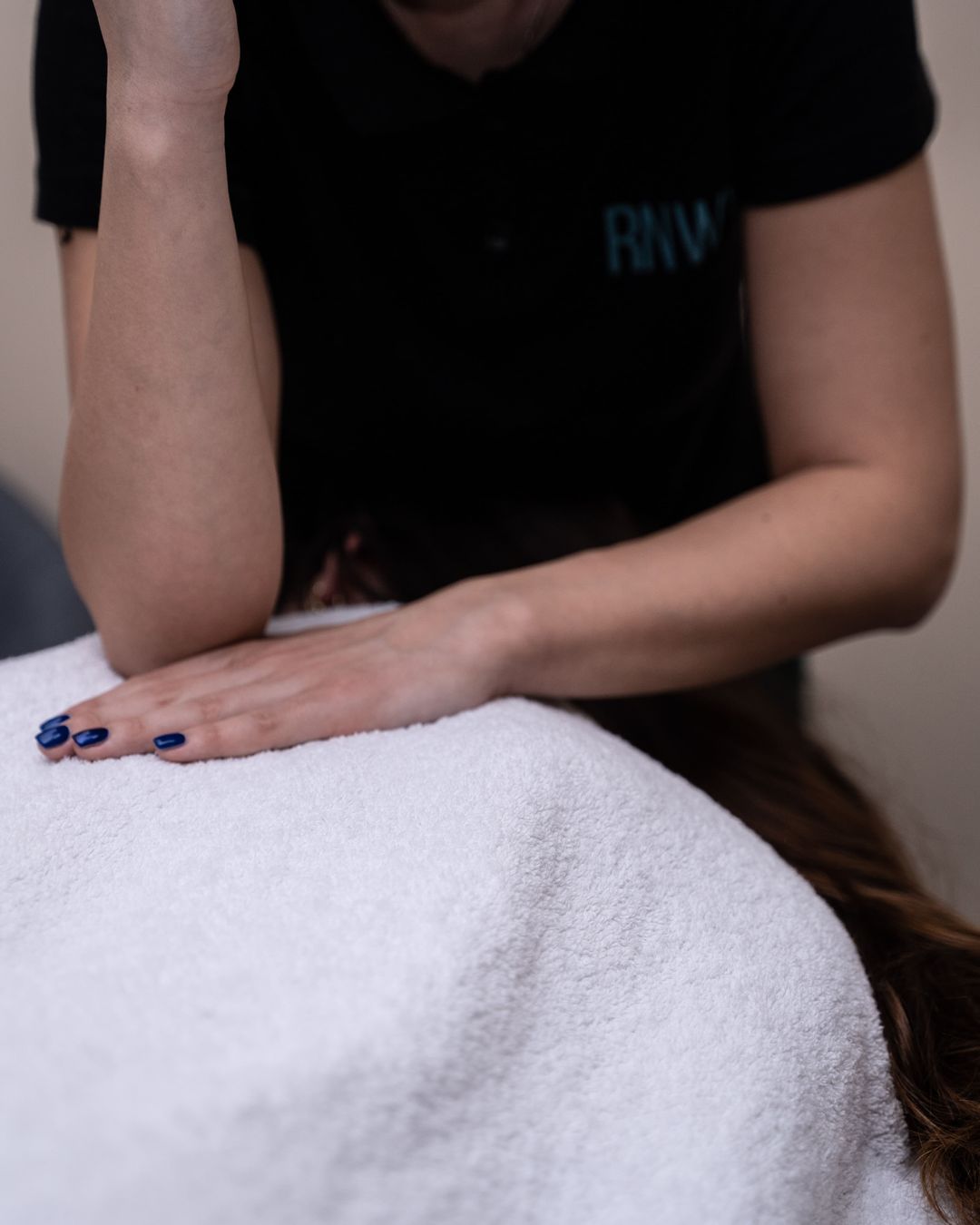
After a relaxing massage at Runway Massage Studio, you expect a feeling of relief and deep peace. However, sometimes instead of complete relaxation, it occurs pain or discomfort. While this can be surprising and even discouraging, it is important to know that mild pain after massage is often a normal phenomenon. It usually signals that the muscles have been treated in a deeper way than they are used to. Understanding why this pain occurs and what you can do about it will help you make the most of the benefits of massage.
Why Does Pain Occur After Massage?
Pain after massage, often described as feeling similar muscle inflammation after intense training, medically called Delayed Onset Muscle Soreness (DOMS). Several factors contribute to this phenomenon:
- Breaking adhesions and muscle knots: During massage, especially therapeutic techniques such as deep tissue or trigger point massage, the therapist actively works to break muscle adhesions (sticking together muscle fibers) and knots (muscle spasms). These nodes are clumps of tense muscle fibers that are often painful to the touch. The process of breaking these thickenings can cause micro-traumas in muscle tissue.
- Increased blood and lymph flow: Massage intensifies blood and lymph circulation in the treated areas. While this is extremely beneficial for detoxifying and nourishing tissues, a sudden increase in flow can lead to local inflammation and tenderness, similar to when an area that has been inactive for a long time is recirculated.
- Release of metabolic products: During the massage, accumulated metabolic products, such as lactic acid, are released from the muscles. Although the goal is to eliminate these products from the body, their sudden release can temporarily irritate the nerve endings, causing a sensation of pain.
- Activation of inactive muscles: Massage can activate muscles that have been inactive or under constant tension without you being aware of it. Their “awakening” and work can lead to a feeling of fatigue and pain.
- First time or rare massage: If you are new to massage or do not go regularly, your body is not used to intense muscle work. It is natural that the first sessions will cause a greater reaction. With regular massages, sensitivity decreases.
- Intensity of massage: Deeper and more intense massages, such as sports or therapeutic, will cause pain more naturally than relaxation massages. If you were looking for “stronger” pressure, you are more likely to feel pain.
What To Do About Pain After Massage?
Although the pain after a massage can be uncomfortable, it usually lasts 24 to 48 hoursand gradually decreases. Here's what you can do to relieve discomfort and speed recovery:
- Hydration: Drink as much water as possible! Water helps flush metabolic products out of the body and keeps muscles hydrated. It is recommended to drink at least one glass of water immediately after the massage and continue the increased intake over the following days.
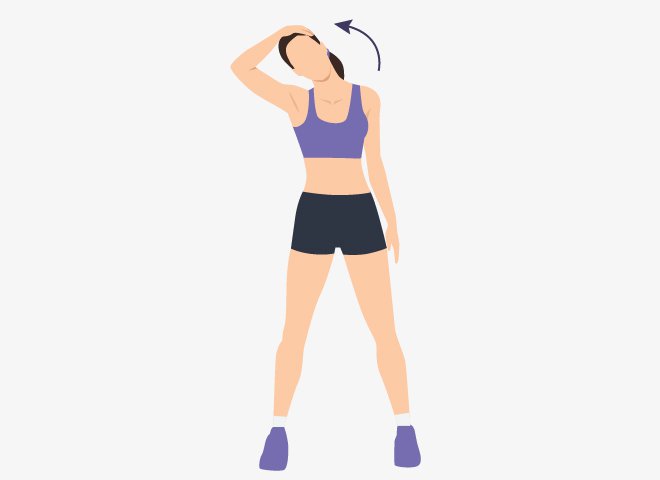
- Light stretching and movement: Although it may feel like you need to stay still, light movement and gentle stretching can help. This improves circulation and prevents muscle stiffness. Avoid intense physical activity, but do not avoid moving completely.
- Warm bath or shower: Heat helps relax muscles, improves circulation and relieves pain. Epsom salt (magnesium sulfate) added to a warm bath can further contribute to muscle relaxation and reduce inflammation.
- Cold compresses (optional): If the pain is intense and accompanied by swelling, a short application of cold compresses to the sore spot can reduce inflammation and discomfort.
- Gentle massage (self-massage): Light, gentle self-massage with your fingers or using a gentle hand massager can help relieve surface tension. Avoid strong pressure.
- Vacations: Give your body time to recover. Quality sleep is key to muscle regeneration and overall well-being.
- Communication with the therapist: At the next session, be sure to inform your therapist about the pain you have felt. This will help him adjust the intensity and massage techniques to your tolerance and needs. The therapist may also recommend specific exercises or follow-up care.
- Proper nutrition: Get enough protein for muscle recovery and anti-inflammatory foods that can reduce inflammation (e.g. fruits, vegetables, omega-3 fatty acids).
When To Seek Medical Help?
Although mild pain is normal, there are situations when you need to seek medical help:
- Intense, sharp, or stabbing painwhich does not diminish.
- Pain that lasts longer than 3 days.
- Pain accompanied redness, swelling, or feverat the site of the massage, which may indicate an infection or a more serious reaction.
- Occurrence bruises that are unusually largeor painful.
- Numbness, tingling, or weaknessin the extremities.
These symptoms may indicate a more serious problem, and not a normal reaction after the massage.
Turn momentary discomfort into permanent relief
Mild pain after a massage is often a sign that your body is responding to the treatment and that your muscles are recovering and adjusting. At Runway Massage Studio, our therapists are dedicated to providing you with a safe and effective massage experience. Be proactive in post-massage care, follow your body's signals, and don't hesitate to communicate with your therapist. With proper care, you will enjoy the full benefits of massage and achieve lasting relief and well-being.
SCHEDULE A MASSAGE


.jpg)




.jpg)
.jpg)
.jpg)

.jpg)
.jpg)
.jpg)


.jpg)
.jpg)

.jpg)


.jpg)