Via 80% of employeesThose who perform work at the computer (in the office) experience neck and back pain at some point in their career. Sitting for a long time, often in an incorrect position, dramatically increases the risk of developing Musculoskeletal disorders, and neck and shoulder pain are the most common problems faced by almost everyone. So, you're not alone in this problem, and the good news is — for this problem there is a solution!At Runway Massage Studio we offer effective treatments that address the consequences of office syndrome in a targeted manner.
What is Office Syndrome?
Expression office syndromerefers to a range of physical symptoms and discomforts resulting from prolonged periods of sitting and improper posture, typically associated with jobs involving desk work and computer use. The main areas affected by this syndrome are neck and back, although other parts of the body such as the shoulders, wrists (especially the wrists in carpal tunnel syndrome) and eyes (due to strain) can also be affected.
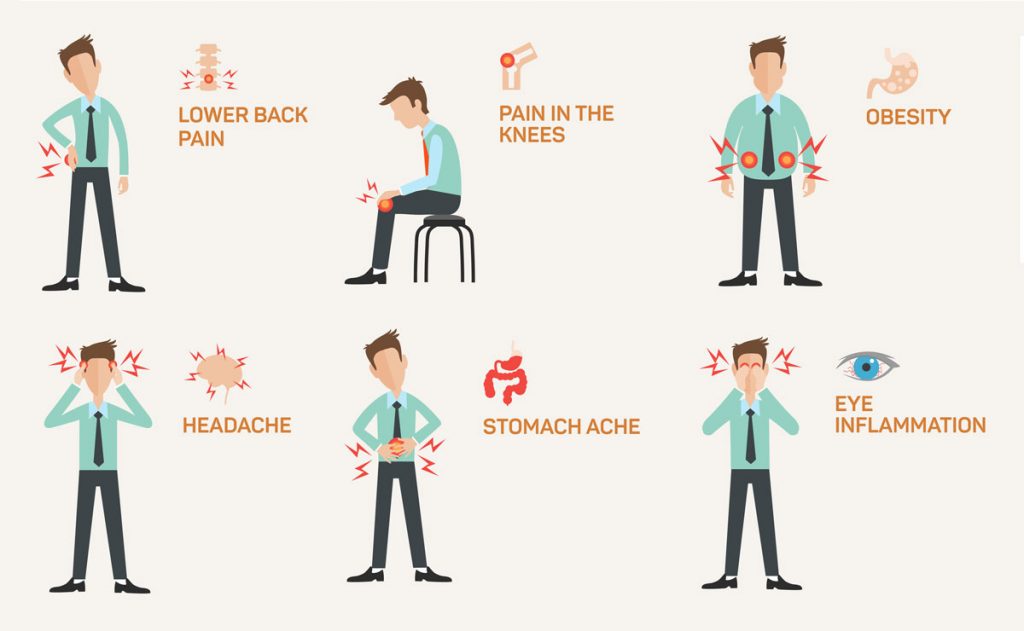
The most common symptoms include:
- Pain in the neck and shoulders: A common manifestation of office syndrome, which can range from dull, constant pain to sharp, stabbing pain.
- Stiffness and tension of the back muscles: Especially in the upper and lower back, which can limit movement and make it difficult to perform daily activities.
- Headaches: Especially tension headaches, which are widespread among people with office syndrome due to tension in the neck and shoulders.
- Eye strain and feeling tired in the eyes: It can be the result of looking at computer screens for a long time, leading to blurred vision, dry eyes and sensitivity to light.
These symptoms can significantly affect an individual's productivity, quality of life, and overall well-being. The intensity and duration of office syndrome symptoms can vary — while some may experience mild discomfort and occasional pain, others may suffer from chronic and debilitating symptoms.
What Leads To The Occurrence Of Office Syndrome?
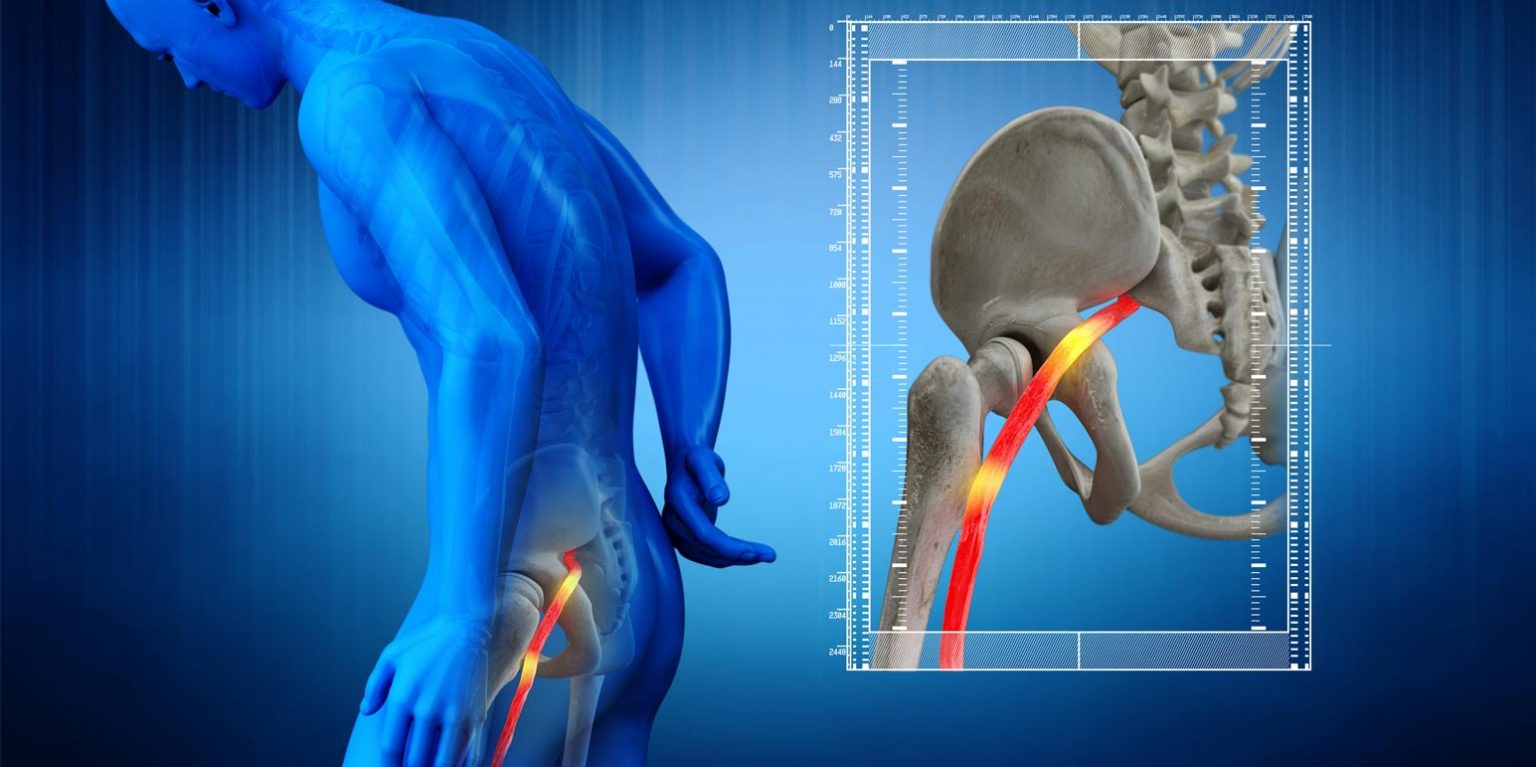
If you are wondering what it is that leads to the appearance of office syndrome, the primary cause is poor ergonomics in an office environment. Improperly adjusted chairs, tables and computer monitors can lead to poor posture, excessive strain of the neck and back muscles, and compression of nerves.
Also, a significant contribution to the emergence of office syndrome is given by prolonged sitting without adequate breaksand lack of physical activity. Repetitive tasks, such as typing or using the mouse, can lead to muscular imbalances and disproportionate use of the left and right sides of the body. In addition, stress and mental tension, which are common in the office environment, can further aggravate the physical symptoms of office syndrome, as the body often responds to stress with muscle tension.
How To Eliminate Office Syndrome? Massage and Corrective Exercises
Given that the most common symptoms of office syndrome are reflected in intense pain in the neck and back, as well as constantly repeated actions that affect the incorrect position of the body, integrated approachis the key to eliminating this problem. The solution implies massage therapy and regular corrective exercises, with ergonomic adjustment of the workspace.
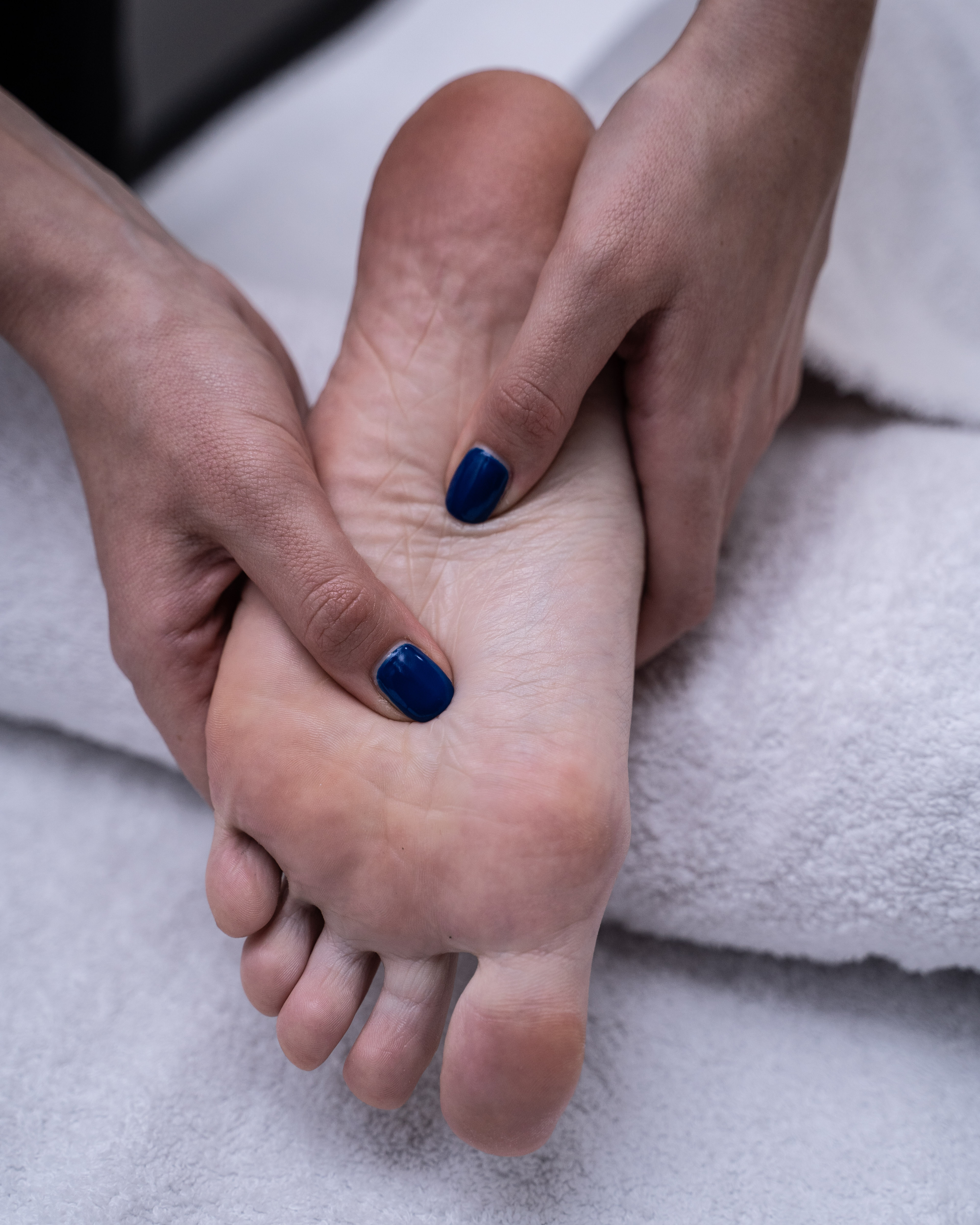
Massage therapy can play a key role in treating these problemsby targeting specific muscles and areas that are affected. Using different massage techniques and different pressure intensities, our therapists can identify and eliminate pain points, reduce muscle tension, improve blood circulation, and restore flexibility in the neck and back.
How Does Massage Help?
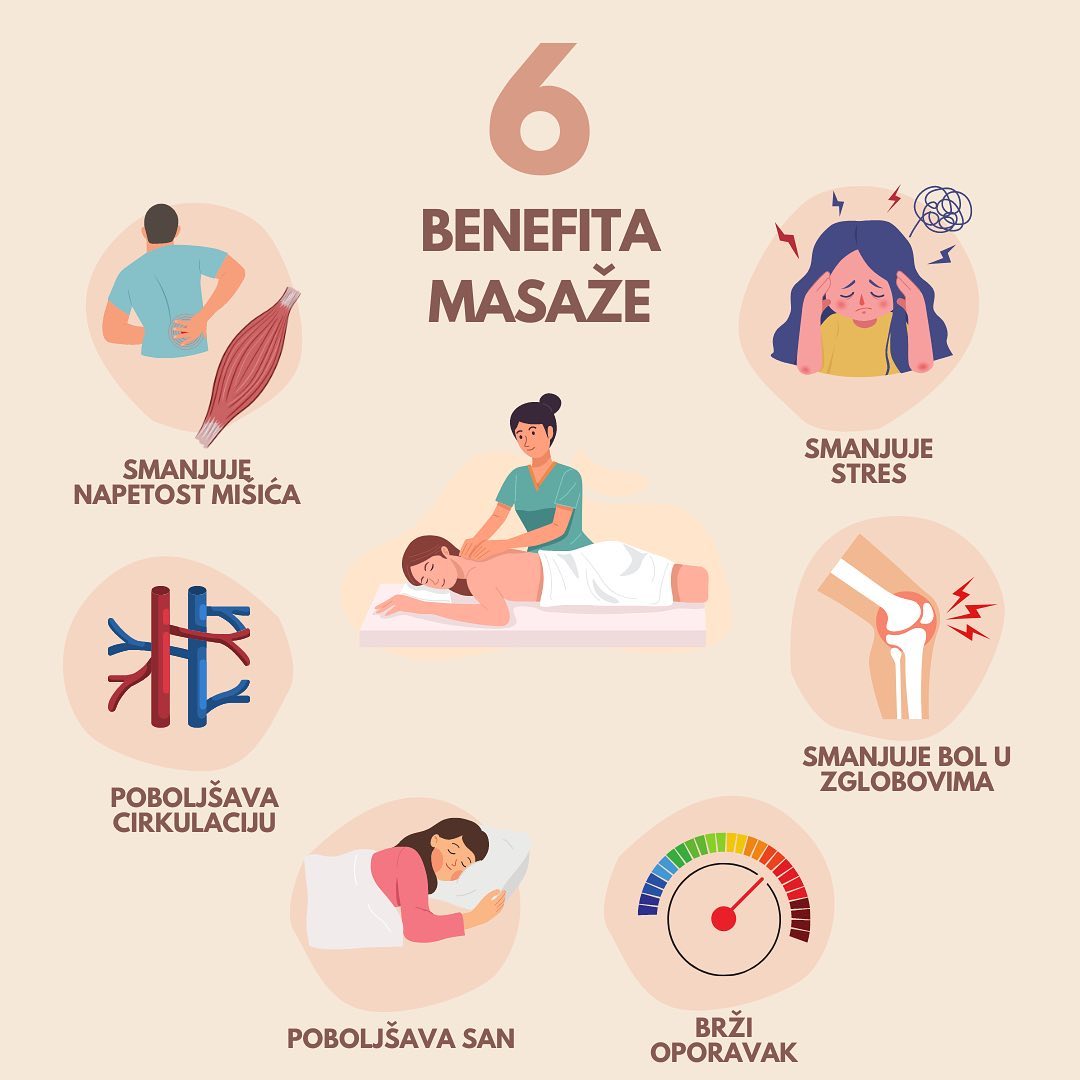
Massage therapy helps to relieve pain and tension by finding the critical points that cause pain and discomfort with the appropriate intensity of pressure. They are treated with massage muscles, tendons and ligamentsin order to:
- Relieve tension and break spasms (knots): Massage acts on deep muscle layers in a targeted manner, relaxing tight muscles and breaking adhesions.
- Improved blood flow and nutrients: With more intensive circulation, the affected areas receive more oxygen and nutrients, which speeds up recovery.
- Reduced pain and discomfort: By relaxing the muscles, the pressure on the nerves is reduced, thereby relieving pain.
- Increased flexibility and mobility: Stretching and manipulating muscles improve their range of motion.
In addition to the physical benefits, massage also provides psychological relief. The stress and mental fatigue that often accompany office syndrome can be effectively dealt with through massage. The soothing and relaxing nature of massage helps to calms the mind, reduces anxiety and promotes a sense of relaxation. This can have an extremely positive impact on overall productivity and job satisfaction. Including regular massage sessions in your routine, you will not only improve your physical health and posture, but at the same time you will have an impact on improving the quality of mental health.
Don't forget: Massage is extremely effective in relieving tension and pain in office syndrome, but it is just as important improve your workspace through its ergonomic adjustment and the inclusion of regular breaks for stretching and light exercise. By combining these approaches, you can effectively manage and prevent the occurrence of problems associated with office syndrome, leading to a healthier, more comfortable and productive work experience. Visit Runway Massage Studioand let yourself take care of your health!


.jpg)












.jpg)
.jpg)
.jpg)

.jpg)
.jpg)


.jpg)
.jpg)
.jpg)

.jpg)


.jpg)